Destination guides
Best Travel eSIM for Europe: Multi-Country Roaming Guide
Planning a multi-country European trip? Compare the best regional travel eSIMs for seamless connectivity across the EU, UK, Switzerland, and beyond.

Best Travel eSIM for Europe: Multi-Country Roaming Guide
Navigating multiple European borders used to mean swapping physical SIM cards or paying exorbitant home carrier roaming fees. Today, a regional European travel eSIM allows you to land in Paris, hop over to Rome, take a train to London, and finish in Berlin—all while maintaining uninterrupted high-speed mobile data on a single digital profile. Whether you are backpacking through hostels or attending corporate meetings across capitals, choosing the right digital plan transforms your connectivity experience.
The short answer: The best travel eSIM for Europe is a regional multi-country profile that covers at least 30+ European nations, including the 27 EU member states plus the UK, Switzerland, and Norway. Providers like eSIM Travel offer instant QR-code delivery, multi-network switching for optimal 4G/5G coverage, and flexible data packages that activate automatically the moment your phone detects a supported local network.
At a Glance: Europe Travel eSIM Comparison
| Feature / Spec | Regional European eSIM | Single-Country eSIM | Local Physical SIM | Home Carrier Roaming |
|---|---|---|---|---|
| Multi-Country Coverage | Seamless (30-40+ countries) | Single country only | Single country only | Global (usually expensive) |
| Acquisition | Instant online delivery | Instant online delivery | Airport kiosks / stores | Pre-activated with carrier |
| Keep Home Number | Yes (Dual SIM active) | Yes (Dual SIM active) | No (Removes home SIM) | Yes |
| Network Switching | Automatic strongest partner | Single local carrier partner | Single local carrier | Varies |
| Best Suited For | Multi-destination itineraries | Single-destination vacations | Long-term residency | Emergency backup only |
Why Choose a Regional European eSIM?
When exploring multiple European countries, traditional local SIM cards present immediate limitations. While EU regulations mandate free roaming across member states for local plans, buying a physical SIM card in Spain often requires local registration, and using it extensively outside Spain can trigger fair-usage blocks from local telecom operators.
In contrast, a dedicated regional European eSIM is engineered specifically for international travelers. It bypasses bureaucratic registration hurdles and gives you pooled data access across major economic zones. When you cross from France into Switzerland—a non-EU nation where standard EU roaming rules do not apply—a quality regional eSIM continues working seamlessly without interruption.
Coverage Scope: What Countries Are Included?
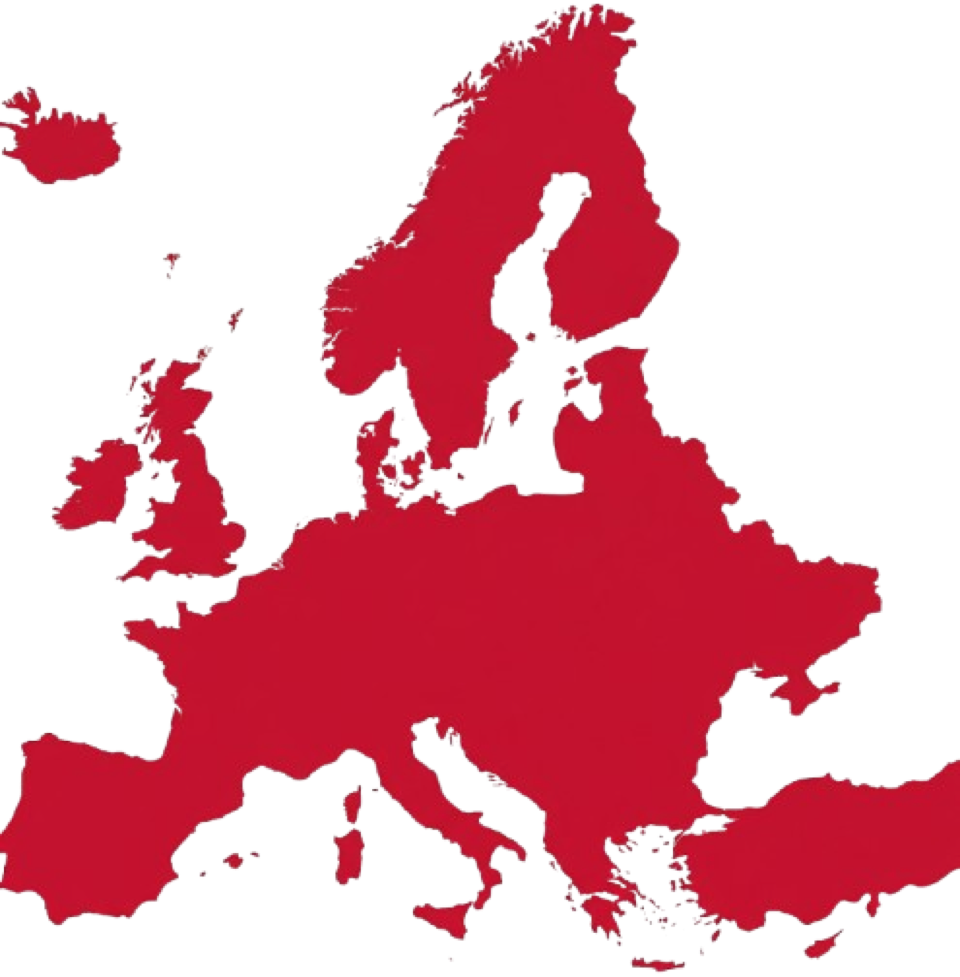
A comprehensive European travel eSIM typically spans far beyond the standard European Union block. When reviewing plan details through eSIM Travel, verify that your itinerary aligns with the supported country list. Standard regional footprints include:
- Core European Union: France, Germany, Italy, Spain, Netherlands, Belgium, Austria, Portugal, Greece, and Ireland.
- Popular Non-EU Destinations: United Kingdom, Switzerland, Norway, Iceland, and Turkey.
- Eastern and Central Europe: Poland, Czech Republic, Hungary, Romania, Slovakia, and Bulgaria.
Always double-check the fine print if your journey includes micro-states or eastern territories like Monaco, Liechtenstein, or Ukraine, as coverage policies vary by network partner.
Data Caps vs. Unlimited Plans: Which is Better?
Choosing between a fixed data package (e.g., 5GB, 10GB, 20GB) and an unlimited data plan depends entirely on your digital consumption habits while traveling.
- Fixed Data Caps: Ideal for casual users who primarily rely on offline maps, messaging apps, and occasional browsing. These plans are usually cheaper, support high-speed 5G tethering without restrictions, and encourage mindful data usage.
- Unlimited Plans: Best for remote workers, heavy content creators, or families sharing a single hotspot connection. However, note that many unlimited providers enforce a Fair Usage Policy (FUP), which temporarily throttles speeds after a specific daily high-speed gigabyte threshold is reached.
5G Speeds, Carrier Partnerships, and Hotspot Sharing
Modern European travel eSIMs connect directly to tier-one local infrastructure, partnering with giants like Orange, Vodafone, Deutsche Telekom, and Telefonica. This ensures you receive native carrier speeds rather than deprioritized virtual operator traffic.
- 5G Availability: In major metropolitan hubs like London, Paris, Berlin, and Rome, 5G is widely accessible on compatible devices. In rural regions or alpine passes, your device will gracefully fall back to robust 4G LTE.
- Hotspot & Tethering: Most regional eSIMs fully support personal hotspot sharing. This is a game-changer if you need to connect your laptop or tablet on high-speed trains or in cafes without secure Wi-Fi.
Step-by-Step Installation and Activation Guide
Installing your European eSIM takes less than five minutes and can be completed before you board your flight.
- Purchase and Receive: Buy your plan online via eSIM Travel. You will instantly receive a confirmation email containing a unique QR code and manual setup details.
- Install the Profile: On your unlocked iOS or Android device, navigate to Cellular/Mobile Settings, select "Add eSIM" or "Add Cellular Plan," and scan the QR code.
- Configure Labels: Label the new digital line as "Europe Travel" to easily distinguish it from your primary home SIM.
- Set Data Preferences: Keep your primary line active for incoming calls or two-factor authentication SMS messages, but designate the eSIM Travel profile as your default source for Cellular Data.
- Activate Roaming: Turn on "Data Roaming" specifically for the European eSIM profile. Leave roaming off for your home carrier line to prevent unexpected carrier fees.
Troubleshooting Common Connectivity Issues
Even with advanced technology, minor setup hiccups can occur when crossing borders or initializing a new profile:
- No Service After Landing: If your phone fails to connect automatically upon arrival, toggle Airplane Mode on for 10 seconds and off again. This forces your device to search for local partner towers.
- Incorrect APN Settings: Most eSIMs configure Access Point Names automatically. If data fails to load, check your provider's welcome guide to manually input the correct APN string.
- Data Working Locally But Not Cross-Border: If you moved from Germany to Austria and lost connection, manually select a supported network partner in your phone's cellular network settings instead of using automatic selection.
Mobile Data for an International Trip
Managing mobile data across international borders requires a balance between staying connected and avoiding digital fatigue. When traveling through Europe, your smartphone acts as your boarding pass, translation assistant, currency converter, and navigation map. Relying on public Wi-Fi networks in airports, train stations, and coffee shops exposes your personal data to security vulnerabilities. Utilizing an encrypted private cellular connection through a trusted travel eSIM ensures your financial transactions, emails, and messaging apps remain secure throughout your journey across multiple European nations.
Ten Visitor Questions Answered
1. Which eSIM works best across multiple European countries without changing settings? Regional European eSIMs from providers like eSIM Travel automatically switch between tier-one local networks in over 30 countries without requiring manual reconfiguration.
2. How much data do I need for a 2-week trip to Europe? For a standard two-week vacation involving navigation, web browsing, and social media sharing, a 10GB to 20GB data package is usually sufficient for moderate users.
3. Do European travel eSIMs support 5G speeds and hotspot sharing? Yes. Most modern regional eSIM profiles support native 5G speeds where available and allow full personal hotspot tethering for laptops and tablets.
4. Can I keep my WhatsApp number while using a European eSIM? Yes. WhatsApp is tied to your phone account, not your SIM card. When you swap data lines, WhatsApp will ask if you want to keep your original number. Select yes.
5. What is the cheapest way to get mobile data when traveling through 4 or more EU countries? A single multi-country regional eSIM is significantly cheaper and more convenient than purchasing separate local physical SIM cards in each individual nation.
6. Do I need an unlocked phone to use an international eSIM? Yes. Your smartphone must be carrier-unlocked to accept digital eSIM profiles from alternative providers.
7. When should I install my European travel eSIM? You can install the eSIM profile days before your trip while connected to stable home Wi-Fi. It will remain dormant until it connects to a supported network abroad.
8. Can I make traditional phone calls with a travel eSIM? Most travel eSIMs are data-only profiles. However, you can easily use VoIP applications like WhatsApp, FaceTime, Skype, or Zoom to make voice and video calls.
9. What happens if I run out of data midway through my trip? With eSIM Travel, you can easily top up your data balance directly through our customer portal or app without installing a new profile.
10. Are UK and Switzerland included in standard European eSIMs? Yes. Premium regional European eSIM packages explicitly include non-EU destinations like the United Kingdom, Switzerland, and Norway alongside EU member states.
How We Verified This Guide
This guide was curated by senior travel connectivity editors and telecommunications analysts specializing in global roaming infrastructure. Our technical recommendations are based on rigorous hands-on testing of regional eSIM profiles across major European transport hubs, verification of carrier partnership agreements with tier-one European telecom operators (such as Vodafone, Orange, and Deutsche Telekom), and adherence to current GSMA technical standards for remote SIM provisioning.