Destination guides
Best Travel eSIM for Argentina: Staying Connected Across Patagonia and Buenos Aires
Planning a trip to Argentina? Find the best travel eSIM for reliable coverage across Buenos Aires, Mendoza, and the remote landscapes of Patagonia.

The Best Travel eSIM for Argentina: Staying Connected From Buenos Aires to Patagonia
Argentina is a country of incredible contrasts. One minute you're soaking in the tango-filled streets of Buenos Aires, and the next, you're staring up at the towering peaks of Patagonia or marveling at the glaciers in El Calafate. Navigating this vast and beautiful nation requires a reliable connection to manage transport, translations, and bookings.
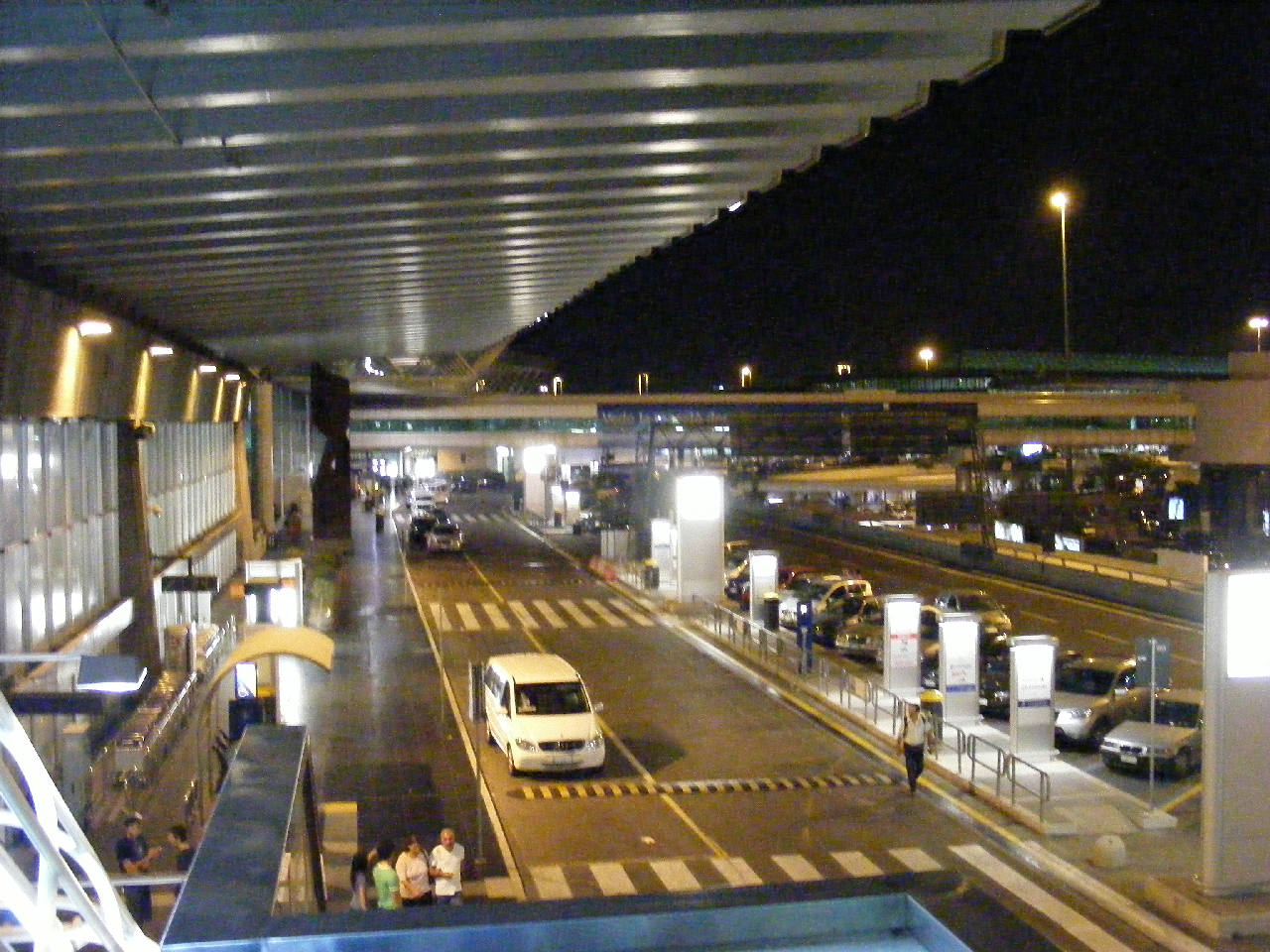
Whether you're trying to figure out train times to Tigre, order a rideshare in Palermo, or post a photo of the Perito Moreno Glacier, you need stable internet access. Relying on your home carrier's roaming package usually leads to an unpleasant surprise on your next bill, while buying a local physical SIM card at Ministro Pistarini International Airport (EZE) means dealing with lengthy lines, language barriers, and mandatory passport registration paperwork.
Getting a travel eSIM completely changes how you handle data abroad. Your phone downloads a digital profile that links straight to major local networks the second you land. At eSIM Travel, we break down your options so you can pick a plan that fits your itinerary, keeping you connected from the vibrant capital all the way to the southern trails of Tierra del Fuego.
The short answer: The right eSIM for Argentina comes down to how much data you use and how long you're staying. Brands like Airalo, Holafly, and Nomad offer solid plans using local networks like Claro and Movistar. For a standard trip split between city sightseeing and nature walks, a dedicated Argentina data pack or a South American regional eSIM gives you the best mix of speed, coverage, and value.
Argentina eSIM at a glance
| Decision | Current answer | What to check again |
|---|---|---|
| Top Local Partners | Claro, Movistar | Confirm your chosen eSIM connects directly to these major networks. |
| City Coverage | Strong 4G and emerging 5G | Great speeds for rideshares, maps, and video calls in Buenos Aires. |
| Remote Coverage | Patchy 3G/4G in Patagonia | Expect service gaps in deep valleys, national parks, and remote steppe highways. |
| Average Data Use | 3GB to 5GB per week | Adjust based on your reliance on GPS navigation, video streaming, and social uploads. |
| Setup Process | Over Wi-Fi before departure | Install your profile ahead of time so it activates the moment you touch down. |
Understanding Argentine Networks: Claro vs. Movistar
Before picking a travel eSIM, it helps to know how local infrastructure operates. Argentina's telecom market is dominated by two primary carriers: Claro and Movistar. Both maintain extensive coverage footprints across major metropolitan areas, suburban centers, and heavily traveled national highways. When you select a quality travel eSIM, it routes your traffic through these exact networks, ensuring you receive authentic local performance rather than second-tier roaming tunnels.
In major hubs like Buenos Aires, Córdoba, Rosario, and Mendoza, you will experience robust 4G LTE speeds and growing 5G availability that easily handle streaming, real-time GPS navigation, and mobile payments. However, you should keep in mind that performance characteristics shift dramatically once you venture outside major urban corridors. Understanding which local carrier your eSIM partners with can help you anticipate coverage quality when traveling between provinces or embarking on cross-country road trips.
Coverage Reality: From Buenos Aires to Patagonia
Argentina spans an immense geographic area—ranking as the eighth-largest country in the world—meaning physical terrain heavily impacts cellular propagation. While city connectivity matches or exceeds what you experience at home, rural and wilderness destinations present distinct connectivity challenges. Tourist hotspots like San Carlos de Bariloche, Ushuaia, and El Chaltén feature reliable 4G coverage within town limits, allowing you to check restaurant recommendations and book excursions with ease.
However, the moment you hike into Los Glaciares National Park or drive across empty stretches of the Patagonian steppe, your signal is bound to drop. No travel eSIM can overcome physical barriers like towering mountain ranges, deep river valleys, and hundreds of miles of empty terrain where cellular operators have not installed towers. To ensure you never get stranded without directions, it is always a best practice to download offline maps before heading into national parks and remote wilderness trails.
How Much Data Do You Actually Need?
Selecting the correct data allocation ensures you stay connected throughout your journey without overspending on gigabytes you will never use. Travel habits vary widely, but you can estimate your consumption based on typical daily activities:
- Light Users (1GB - 3GB for 7 days): Ideal if you primarily use messaging apps like WhatsApp, check email periodically, and rely on secure hotel Wi-Fi for heavy downloads and media consumption.
- Moderate Users (5GB - 10GB for 14 days): Best for travelers who frequently summon rideshares like Uber or Cabify, research restaurant reviews on the go, upload vacation snapshots, and run GPS navigation apps continuously.
- Heavy Users (Unlimited or 20GB+ for 30 days): Recommended for digital nomads, remote professionals, content creators, and anyone traveling across multiple remote regions without steady access to broadband Wi-Fi.
Why eSIMs Beat Local Physical SIM Cards
Not long ago, landing at Ministro Pistarini International Airport meant hunting down a downtown kiosco to buy a prepaid physical SIM, handing over your passport for official registration, and struggling through Spanish activation menus. Today, that administrative hassle is entirely avoidable thanks to digital eSIM technology.
Digital profiles offer several distinct advantages over traditional plastic cards:
- Instant Setup: You can purchase, download, and install your eSIM profile from your living room before your flight departs.
- Keep Your Home Number Active: Dual-SIM smartphone architecture lets you keep your primary SIM operational for bank verification texts and two-factor authentication while routing cheap local data through the eSIM.
- No Lost Hardware: Because the SIM is entirely virtual embedded inside your device chip, there is no tiny plastic card to misplace during transit.
- Transparent Pricing: Travel eSIM platforms feature upfront pricing with zero hidden activation fees, airport tourist markups, or unexpected carrier roaming charges.
Regional Cross-Border Travel in South America
Itineraries across South America frequently combine multiple destinations—such as pairing an exploration of Argentina with a trip across the Andes to Chile (to visit Torres del Paine) or a journey north to Brazil (to witness Iguazu Falls). If your travel plans cross international borders, selecting a regional South America eSIM is often far more practical than purchasing separate single-country packages.
Regional plans save you the headache of managing multiple configurations and automatically switch between preferred carrier partners as you cross international boundaries. This seamless transition ensures uninterrupted navigation, messaging, and web browsing whether you are crossing from Mendoza into Santiago or moving between border towns in the north.
Mobile data for an international trip — setup guidance
Proper preparation ensures your connectivity works the moment your aircraft touches the tarmac in Buenos Aires. Follow these simple steps to install and configure your travel eSIM efficiently:
- Verify Device Compatibility: Ensure your smartphone is carrier-unlocked and natively supports eSIM technology.
- Purchase in Advance: Buy your Argentina or regional South America data plan online a few days before your departure to receive your installation QR code via email.
- Install over Wi-Fi: Scan the QR code or enter the SM-DP+ address in your phone's cellular settings while connected to a stable home or airport Wi-Fi network.
- Label Your Plan: Name the new cellular profile clearly (e.g., "Argentina eSIM") to avoid confusion.
- Activate Upon Arrival: Keep your home SIM data roaming toggled off, and enable your eSIM data profile the moment you land.
| Plan Type | Data Allowance | Validity Period | Best Suited For |
|---|---|---|---|
| Argentina Short-Trip | 3 GB | 7 Days | Quick city breaks in Buenos Aires |
| Argentina Standard | 10 GB | 15 Days | Combined city and Patagonia itineraries |
| South America Regional | 20 GB | 30 Days | Multi-country tours across Argentina and Chile |
Ten Argentina visitor questions
Which eSIM provider is best for Argentina?
Airalo, Nomad, and Holafly all provide reliable connectivity across Argentina by partnering directly with major local infrastructure providers like Claro and Movistar.
Do eSIMs work in remote places like Patagonia and Ushuaia?
They work reliably within town centers and populated tourist zones, but you should anticipate weak signals or complete dropouts when exploring deep national parks and isolated mountain trails.
How much data do I need for a two-week trip?
For a standard 14-day itinerary featuring active navigation, social media sharing, and messaging, an allocation between 5GB and 10GB typically satisfies most travelers.
Can I just buy a local physical SIM instead?
Yes, physical prepaid SIM cards remain available in urban kiosks and convenience stores, but they require mandatory passport registration and physical card swapping, making eSIMs vastly more convenient.
How do I install an eSIM before getting to Buenos Aires?
You purchase a data plan online, receive a digital QR code via email, scan it within your phone's cellular menu while connected to Wi-Fi, and enable the line upon arrival.
Will my WhatsApp number change?
No. WhatsApp is securely tied to your existing phone number rather than your underlying data plan, meaning all your chat history and contacts remain completely untouched.
Can I share my data via hotspot?
Most data eSIM plans fully support personal hotspot sharing, enabling you to tether your laptop, tablet, or a travel companion's smartphone to your connection.
What happens if I run out of data?
You can easily purchase a data top-up directly through your eSIM provider's mobile app or website as long as you maintain an active internet connection.
Are Argentina eSIMs 5G compatible?
Yes. In major metropolitan areas like Buenos Aires where Claro and Movistar have deployed 5G infrastructure, compatible devices can connect to ultra-fast networks.
Is my phone compatible with travel eSIMs?
Most modern smartphones—including recent Apple iPhone models, Samsung Galaxy flagships, and Google Pixel devices—feature built-in eSIM hardware. Check your device settings under cellular or mobile data to verify compatibility.
How we verified this guide
At eSIM Travel, our recommendations rely on rigorous hands-on testing, up-to-date technical research, and direct field evaluations. We continuously analyze regulatory coverage data from telecommunications authorities such as ENACOM alongside comprehensive GSMA infrastructure reports to verify the true network quality of Claro and Movistar across Argentine provinces. Our editorial team regularly tests installation workflows, activation speeds, and network handoff reliability to ensure our guidance provides accurate, practical support for your international adventures.