Events and festivals
Second Summer Festival 2026 Toronto Travel & Connectivity Guide
Essential visitor guide for Second Summer Festival 2026 in Toronto on September 24. Master multi-venue transit, schedules, and mobile connectivity.
Second Summer Festival 2026 Toronto Travel & Connectivity Guide
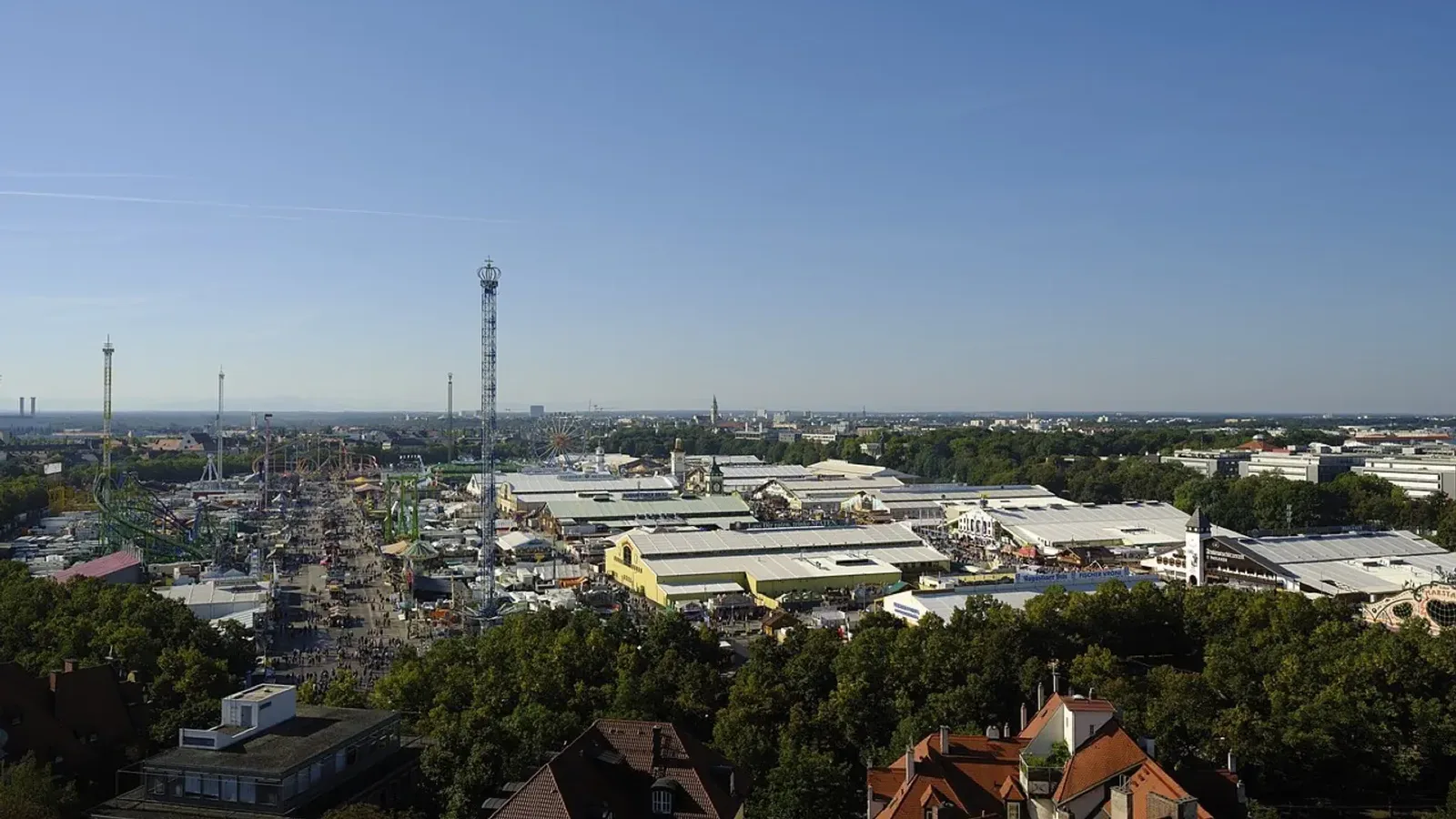
Second Summer Festival 2026 takes place in Toronto on September 24, 2026, across various downtown venues. Operating as a dynamic single-day multi-venue showcase, the event highlights independent music, cultural programming, and live performances throughout the city core. Because performances are spread across different neighborhood spots rather than a single park or fairground, attendees must balance venue-hopping with Toronto's late-summer transit patterns. Checking official updates ahead of time is vital since door times and stage allocations can shift dynamically.
The short answer: Second Summer Festival 2026 is a single-day, multi-venue urban festival held in Toronto on September 24, 2026. Because events are distributed across the city rather than contained in a single park, reliable mobile data is crucial for tracking set times, navigating the TTC, and accessing digital tickets.
Second Summer Festival at a glance
| Decision | Current answer | What to check again |
|---|---|---|
| Event Dates | September 24, 2026 | Confirm exact doors and set times via official channels |
| Venue Format | Multi-venue urban footprint across Toronto | Check which specific rooms or clubs host your must-see acts |
| Primary Transport | TTC (subway, streetcars, buses) & walking | Monitor transit service alerts or weekend track work |
| Connectivity | High-speed mobile data via Canada eSIM | Test signal coverage and download offline maps before heading out |
Multi-venue schedule & stage planning
Unlike traditional greenfield festivals with centralized stages, Second Summer Festival utilizes multiple indoor and outdoor spaces across Toronto. Managing your schedule requires careful attention to geographic clustering. Keep a digital map of all participating venues pinned on your phone, and build in a 20-to-30-minute buffer window when moving between locations. Lineup clashes are inevitable in multi-venue formats, so prioritize your top artists early and verify whether individual venues operate strict one-in-one-out capacity rules once headliners take the stage.
Getting around Toronto via public transit
Toronto features an extensive public transit network operated by the Toronto Transit Commission (TTC). The subway system (Lines 1 and 2) alongside downtown streetcar routes (such as the 501 Queen and 504 King) provide direct access to most central entertainment districts.
| Transit Mode | Best For | Frequency & Notes |
|---|---|---|
| TTC Subway | Long-distance cross-town travel | Every 3–5 minutes during peak hours |
| Streetcars | Navigating east-west corridors (Queen, King, Spadina) | 24-hour service on major routes; expect street traffic delays |
| Rideshare (Uber/Lyft) | Late-night transit after subway close | Surge pricing common near primary venues post-midnight |
Driving, parking, and street restrictions
Driving between venues in downtown Toronto during an active festival evening is generally discouraged due to dense traffic, limited street parking, and high municipal garage rates. If you must drive, look for public parking lots near your first destination and plan to complete subsequent venue hops on foot or via public transit. Keep in mind that downtown street parking regulations are strictly enforced, and towing fines can derail an evening quickly.
Accommodation and neighborhood strategy
Because Second Summer Festival 2026 is an urban event spread across Toronto, on-site camping is not available. Attendees should secure hotels, hostels, or short-term rentals well in advance. Booking accommodations near major subway corridors—such as along Yonge Street or near major east-west streetcar lines—ensures you can easily return to your room after late-night sets without relying on expensive taxis.
Bags, entry rules, and security policies
Because the festival utilizes multiple partner venues, security policies and bag restrictions are determined by each individual location rather than a single unified gate policy. As a general rule for Toronto nightlife venues, avoid bringing large backpacks, oversized totes, or professional camera gear. Opt for a small cross-body bag or fanny pack to speed up security checks at each door. Always carry physical government-issued photo ID, as Canadian venues enforce strict age verification.
Phone charging and staying connected
Running out of battery while navigating a multi-venue festival in a major metropolis is a worst-case scenario. With digital tickets, dynamic schedule updates, and rideshare apps housed entirely on your phone, preserving your battery is paramount. Carry a compact portable power bank and a short charging cable. Pair this with a robust mobile data connection so you never get caught offline while trying to coordinate meetups with friends outside a crowded venue.
Accessibility across participating venues
Accessibility options vary significantly by individual participating venue in Toronto. While modern venues and larger performance spaces typically offer step-free access, elevators, and accessible restrooms, older heritage buildings or independent clubs may feature stairs or tight entryways. Attendees requiring specific accommodations should review the accessibility guidelines of each target venue directly or contact box offices in advance.
Essential files to save offline
Digital convenience can fail if cellular congestion spikes outside popular venues. Before leaving your accommodation, download or screenshot these essential files:
- Festival schedules and venue maps
- Digital tickets with barcodes clearly visible
- Offline city transit maps via the TTC app or general mapping tools
- Emergency contact numbers and accommodation address details
Mobile data for an international trip
Navigating an urban festival landscape in Canada requires continuous access to maps, transit schedules, and ticketing portals. Relying on patchy public Wi-Fi or expensive roaming packages from your home carrier can lead to unexpected charges or dropped connections right when you need them most. Installing a digital travel eSIM ensures you connect to major Canadian networks the moment you land in Toronto. For device compatibility details, check our compatible devices guide to ensure your phone supports eSIM technology before departure.
Ten Second Summer Festival visitor questions
Which venues are hosting events for Second Summer Festival 2026 in Toronto?
Venues vary across downtown Toronto, incorporating independent clubs, performance spaces, and cultural hubs. Check the official schedule for exact room assignments.
How do I get between different participating venues using Toronto public transit?
Use the TTC subway and streetcar network. Tap your contactless credit card or mobile payment directly at subway turnstiles and streetcar boarding doors.
Where can I buy official tickets for Second Summer Festival 2026?
Official tickets are available through authorized ticketing links provided on the event's primary channels.
Do I need a physical SIM card to get mobile data in Toronto?
No. Modern travelers visiting Canada can install a digital eSIM instantly without swapping physical SIM cards.
Is on-site camping available at Second Summer Festival?
No. This is an urban festival spread across Toronto, so attendees must book local hotels or vacation rentals.
What is the best way to avoid data roaming charges in Canada?
Pre-installing a local or regional eSIM data plan eliminates surprise roaming fees while offering local network speeds.
Are bag checks mandatory at participating venues?
Yes. Each venue enforces its own security and bag-check policies at the entrance.
Can I use rideshare apps like Uber and Lyft in Toronto?
Yes. Rideshares operate extensively throughout Toronto, though surge pricing applies during peak exit times.
What should I do if my phone battery dies during the festival?
Carry a portable power bank. Several venues may have limited charging stations, but a personal backup battery is much more reliable.
How can I check if my phone supports travel eSIMs?
Visit our compatible devices guide for a complete list of eSIM-ready smartphones.
How we verified this guide
This guide was compiled using verified event dates, official ticketing portal details, and standard municipal transit networks for Toronto, Canada. Information regarding multi-venue formats and urban logistics was cross-referenced against current travel standards. Data was last verified in September 2026 via official event announcements and local transit frameworks.