Events and festivals
2028 Ulsan International Garden Expo 2026: travel, connectivity and planning
Complete travel guide for the 2028 Ulsan International Garden Expo. Discover South Korea planning tips, venue insights, and reliable mobile data guidance.
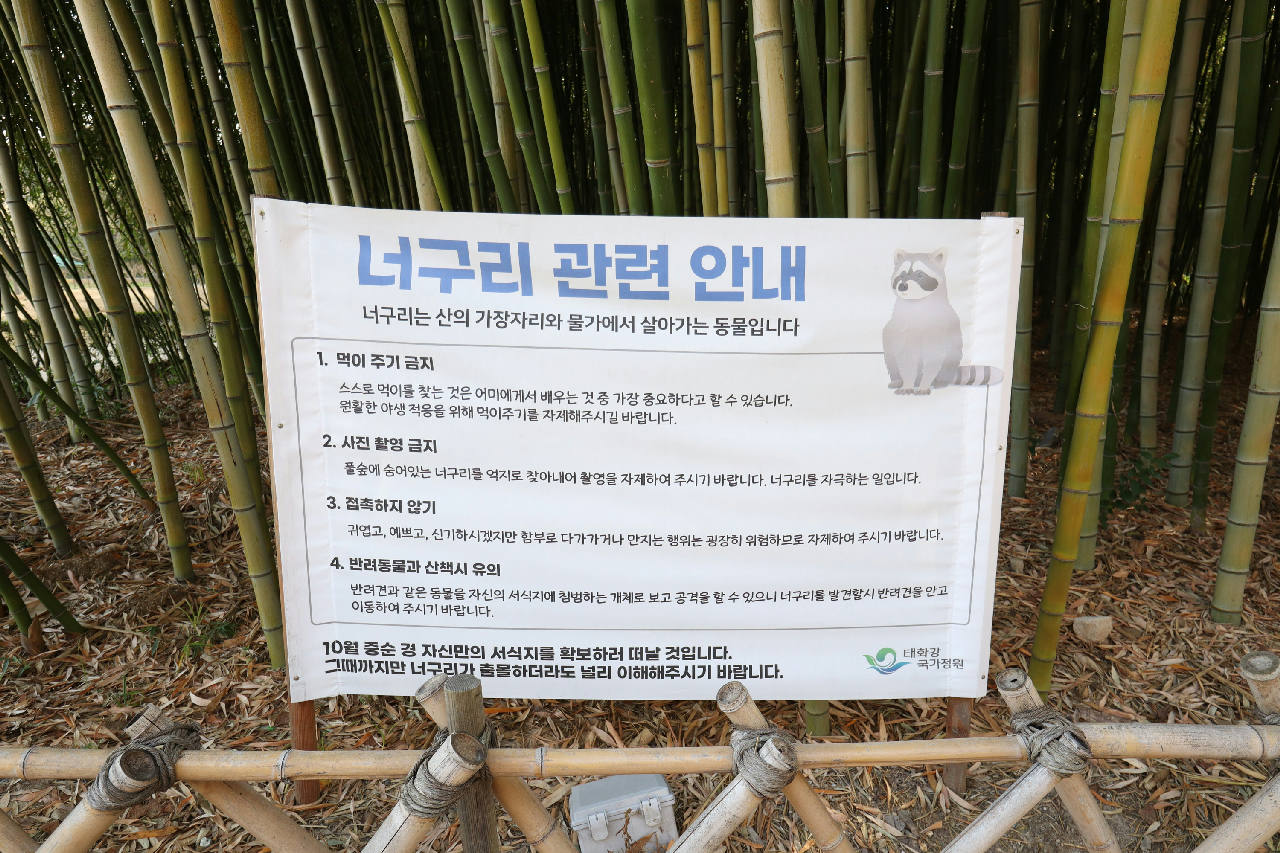
The 2028 Ulsan International Garden Expo represents a monumental milestone for South Korea's environmental horticulture landscape. Set against the vibrant backdrop of Ulsan's revitalized industrial and natural ecosystems, this international exposition invites global horticulture enthusiasts, nature lovers, and curious travelers to explore cutting-edge landscape architecture, sustainable urban planning, and breathtaking floral installations. As visitors prepare to descend upon Taehwagang National Garden and surrounding venue spaces, understanding the nuances of local travel logistics, regional transportation, and seamless mobile connectivity becomes essential for an unforgettable journey.
Navigating a major international event in South Korea requires careful coordination, from securing appropriate lodging well in advance to figuring out how to access real-time transit schedules and digital event guides on your mobile device. Whether you are traveling from Seoul via the KTX high-speed rail or arriving directly through regional transit hubs, having a firm grasp of the local infrastructure will save you hours of waiting and confusion. This comprehensive guide details everything you need to know about experiencing the expo smoothly, ensuring you spend less time troubleshooting logistics and more time soaking in the botanical wonders.
The short answer: To make the most of the 2028 Ulsan International Garden Expo, secure your accommodation and high-speed rail tickets months ahead of time, download essential South Korean navigation and translation apps, and install an instant-activation eSIM from eSIM Travel before departure to ensure uninterrupted mobile data upon arrival in South Korea.
2028 Ulsan International Garden Expo at a glance
| Decision | Current answer | What to check again |
|---|---|---|
| Primary Venue | Taehwagang National Garden, Ulsan | Official venue expansions and zone maps |
| Transportation | KTX high-speed train, local buses | Updated Korail schedules and express bus lines |
| Connectivity | eSIM Travel digital data plans | Device carrier lock status and regional coverage |
| Best Time to Visit | Spring and Autumn peak blooming windows | Daily opening hours and seasonal ticket releases |
Understanding Ulsan and the Taehwagang National Garden venue
Ulsan is widely recognized as one of South Korea's powerhouse industrial cities, famously known for shipbuilding, automotive manufacturing, and heavy industry. However, the city has undergone a remarkable ecological transformation over the past two decades. The crowning jewel of this green transition is the Taehwagang National Garden, sprawling along the banks of the Taehwa River. Designated as South Korea's second national garden, this expansive green space features magnificent bamboo forests, seasonal flower fields, ecological wetlands, and tranquil walking paths that serve as the main stage for the 2028 Ulsan International Garden Expo.
Visiting the expo grounds requires an understanding of the layout, which spans multiple themed zones, exhibition pavilions, and international garden displays. Walking the entire perimeter in a single day can be physically demanding, making comfortable footwear and a well-paced itinerary absolute necessities. Visitors should also take time to explore areas outside the immediate expo gates. Ulsan offers a unique blend of modern urban development and coastal heritage, including scenic coastal walks around Daewam Park and historical sites like the Ulsan Museum. Integrating these cultural landmarks into your festival itinerary provides a well-rounded perspective of how a major industrial city successfully prioritized ecological restoration and urban greening on a global scale.
Transportation networks: getting to and around Ulsan
Traveling to Ulsan from major South Korean hubs like Seoul, Busan, or Daegu is remarkably efficient thanks to the country's world-class rail network. The Korea Train Express (KTX) operates regular high-speed services connecting Seoul Station to Ulsan Station in roughly two hours and fifteen minutes. Travelers arriving from Gimhae International Airport near Busan can catch comfortable limousine buses or regional express trains directly into Ulsan city center. Inside Ulsan, an extensive municipal bus network connects the railway station to Taehwagang National Garden and major hotel districts, though taxis are also readily available and reasonably priced for visitors carrying luggage.
When navigating public transit during peak festival weeks, digital tools are indispensable. Because international data roaming can be notoriously expensive or throttled, acquiring a reliable local data solution before boarding your flight ensures you can access real-time train updates, interactive bus maps, and translation services instantly. Avoid relying solely on public Wi-Fi networks, which can be spotty or unsecured in high-density event areas. Having your own dedicated mobile internet connection allows you to book last-minute tickets, check queue times at popular exhibition pavilions, and communicate effortlessly with travel companions if you happen to get separated within the vast garden grounds.
Comparing connectivity options for South Korea travel
| Connectivity Method | Pros | Cons | Best Suited For |
|---|---|---|---|
| Traditional Roaming | Keeps your original phone number active | Extremely expensive daily fees | Short emergency check-ins only |
| Pocket Wi-Fi Rental | Connects multiple devices simultaneously | Requires charging and physical pickup/return | Families or group travelers staying together |
| Local Physical SIM | Standard local cellular pricing | Requires swapping physical SIM cards | Long-term stays and residents |
| eSIM Travel Data Plan | Instant digital setup, keeps home SIM active | Requires an eSIM-compatible smartphone | Modern travelers wanting seamless data |
Accommodation strategies and neighborhood guides
Securing the right place to stay during the 2028 Ulsan International Garden Expo requires strategic planning. Because international visitors and domestic tourists will flock to the city simultaneously, hotel inventory near Taehwagang National Garden and downtown Ulsan will experience high demand and premium pricing. Travelers generally choose between staying in central Ulsan for convenient access to dining and shopping, or near the Ulsan KTX Station for faster transit connections to neighboring cities like Busan and Gyeongju. Boutique hotels, traditional guesthouses, and modern business hotels cater to diverse budgets, but booking several months in advance is non-negotiable.
For those seeking a more immersive cultural experience, exploring traditional accommodations or minbak options near the coastal districts can offer a refreshing contrast to urban hotels. However, factor in daily commute times to the expo site when selecting remote lodgings. Public transportation is reliable, but transferring between regional buses late in the evening after a full day of walking through expansive garden exhibits can lengthen your return journey. Reviewing neighborhood transit lines beforehand ensures you select a basecamp that balances comfort, accessibility, and proximity to the festival's main gates.
Dining, local cuisine, and culinary highlights in Ulsan
No travel guide to Ulsan is complete without exploring the city's distinct culinary landscape. Situated on the southeastern coast of the Korean Peninsula, Ulsan is celebrated for its exceptionally fresh seafood, particularly whale meat delicacies, raw fish platters, and spicy seafood stews harvested straight from the Sea of Japan. Additionally, Ulsan boasts a famous beef culture, with local barbecue spots offering high-grade Korean beef known for its rich marbling and tenderness. Exploring traditional markets like the Ulsan Central Market introduces visitors to street food classics such as tteokbokki, hotteok, and regional variations of fish cakes.
Navigating restaurant menus written exclusively in Korean can occasionally present a challenge, but modern technology bridges the gap effortlessly. Having an active mobile data connection allows you to use instant camera translation apps to read menus, dietary ingredient labels, and ordering kiosks. Furthermore, digital food delivery and restaurant review applications help you discover hidden culinary gems tucked away in residential alleys near the expo grounds. Whether you are grabbing a quick coffee between garden tours or sitting down for a leisurely seafood dinner, being digitally connected enhances your confidence and culinary exploration.
Essential cultural etiquette and practical travel tips
Traveling in South Korea is a remarkably safe and welcoming experience, but familiarizing yourself with local customs ensures respectful and smooth interactions. Korean culture places a strong emphasis on politeness, modest behavior, and showing deference to elders. Simple gestures, such as bowing slightly when greeting someone, accepting items with two hands, and removing your shoes when entering traditional accommodations or homes, are deeply appreciated by locals. Familiarizing yourself with basic Korean phrases like annyeonghaseyo (hello) and gamsahamnida (thank you) goes a long way in fostering positive connections with festival staff and local residents.
Practical readiness also involves understanding South Korean currency and payment methods. While cash is still useful for small market vendors, South Korea is one of the most cashless societies in the world, with credit and debit cards accepted virtually everywhere. Tipping is neither expected nor practiced in restaurants or taxis. Additionally, downloading essential utility applications—such as Naver Map or KakaoMap for navigation, and Papago for translation—is vital, as international mapping services often lack detailed pedestrian walking directions within South Korea due to national security regulations.
Mobile data for an international trip — setup guidance
Arriving in South Korea without a working mobile connection can instantly derail even the most meticulously planned itinerary. To ensure you remain connected from the moment your aircraft touches down, modern travelers increasingly rely on digital eSIM technology. Unlike physical SIM cards that require finding a kiosk at the airport or fiddling with tiny SIM trays, an eSIM profile can be purchased online, installed via a simple QR code, and activated instantly upon arrival.
Carrier compatibility is the primary consideration before purchasing an eSIM plan. Ensure your smartphone is carrier-unlocked and supports eSIM functionality. Once confirmed, you can select a data package tailored to the exact duration of your stay. Below is an example of a flexible data structure suitable for international expo visitors:
| Data Plan Tier | Validity Period | Ideal For | Network Access |
|---|---|---|---|
| Light Explorer | 7 Days | Short weekend getaways and basic messaging | High-speed 4G / 5G |
| Standard Tourist | 15 Days | Full expo attendance and active navigation | High-speed 4G / 5G |
| Extended Wanderer | 30 Days | Multi-city travel across South Korea | High-speed 4G / 5G |
Setting up your eSIM Travel plan before departing your home country eliminates airport queue stress. You simply install the profile while on your home Wi-Fi network, keep it toggled off, and enable it the moment you land in South Korea to experience instantaneous, reliable local connectivity.
Ten Ulsan International Garden Expo visitor questions
When is the 2028 Ulsan International Garden Expo taking place?
Dates align with optimal seasonal blooming windows, typically spanning peak spring or autumn months to showcase vibrant horticultural displays. Check official announcements for exact calendar dates before booking flights.
Where is the primary venue located?
The expo is primarily hosted at Taehwagang National Garden in Ulsan, South Korea, utilizing its sprawling bamboo groves, riverbanks, and specially constructed exhibition pavilions.
How do I travel from Seoul to Ulsan?
The most efficient method is the KTX high-speed train departing regularly from Seoul Station and arriving at Ulsan Station in approximately two hours and fifteen minutes.
Do I need to buy expo tickets in advance?
Yes, purchasing tickets in advance through official online ticketing portals is strongly recommended to secure preferred entry slots and avoid long onsite queues.
Is English widely spoken at the expo grounds?
Major information booths, signage, and digital guides feature English translations, though having a translation app on your smartphone is helpful for deeper inquiries.
What is the best way to stay connected in South Korea?
Installing an eSIM from eSIM Travel provides instant, high-speed mobile data without needing to swap physical SIM cards or rent bulky pocket routers.
Are there family-friendly amenities at the expo?
The venue offers stroller rentals, nursing rooms, accessible pathways, and extensive rest areas designed to accommodate visitors of all ages comfortably.
What should I pack for the garden expo?
Bring comfortable walking shoes, weather-appropriate outdoor clothing, sunscreen, a reusable water bottle, and a portable power bank to keep your phone charged.
Can I use Google Maps for navigation in Ulsan?
Google Maps has limited pedestrian routing capabilities in South Korea due to local regulations; downloading Naver Map or KakaoMap is highly recommended.
Is Ulsan accessible for travelers with mobility impairments?
Taehwagang National Garden features well-paved, flat pathways and accessible restroom facilities, making it navigable for wheelchair users and strollers.
How we verified this guide
This guide was compiled using verified travel data, official South Korean tourism publications, municipal infrastructure reports from Ulsan Metropolitan City, and established horticultural expo planning guidelines. Our editorial team at eSIM Travel cross-referenced transportation schedules, regional connectivity standards, and venue layouts to ensure accuracy. We continuously monitor updates from tourism boards and international event authorities to provide reliable, up-to-date travel advice for global visitors. If you notice any outdated details or require further clarification, our editorial desk welcomes reader feedback to maintain the highest standards of accuracy and transparency.